I Feel, Therefore I Am: The Transformative Power of Somatics
We are the result of everything we have lived since the moment we were born. The circumstances of life shape us daily, to a greater or lesser extent, to form not only who we are, but also the way we relate to our environment. The art of somatics, as a transformational and developmental methodology of personality, allows us to feel those learned realities that escape our cognitive understanding.
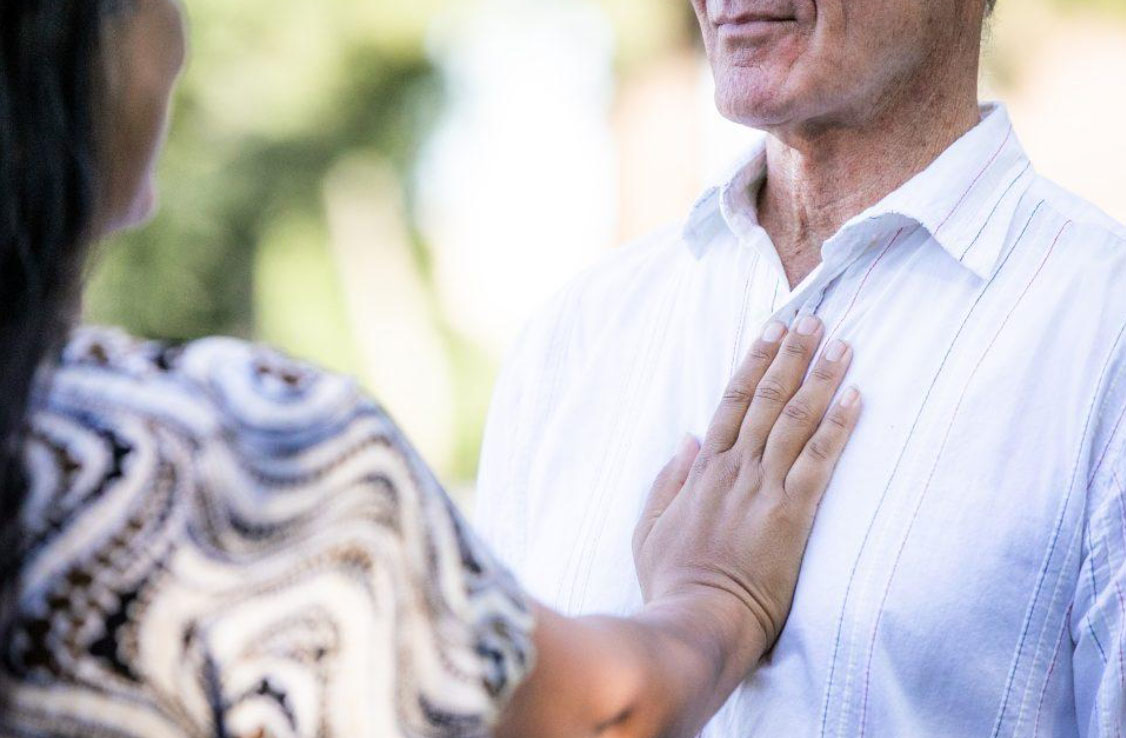
From the somatic point of view, the body that we are is much more than the part of our brain that classifies information or sustains our deductive processes: we are not only the “I that thinks”. The somatic gaze also includes the physical manifestation of our sensations, emotions, and automatic response patterns. That is, the “I who feels”.
On many occasions, our ability to react to various stimuli precedes the rational process and conscious decision-making. We strike the steering wheel when we are too close to the line of the shoulder or respond immediately to a sense of danger that we feel behind us. We do it without having rationalized what is happening or having made a decision: we act by instinct. In reality, our body—and our nervous system as part of it—has learned to live, by living.
For more than 40,000 years, we have learned to relate to our environment and to survive the challenges that come our way, acting skillfully even under pressure. We have learned to read reality in seconds and to act quickly to capture prey, defend ourselves, or return to safety. 40,000 years ago there were no compasses or road signs, but the sun set in the same place and north was still that wet and cold direction that made your skin crawl when the wind blew from there. It was that place that smelled of moss and that lengthened the shadows of the trees… Our deductive knowledge wasn’t as developed then, our brain might not have set up a procedure, but our body knew how to get home.
The development of the cognitive brain and the advances of civilization have made us evolve towards a more rational understanding of reality, separate from physical experience. This evolution, although it has brought comfort and security, has also contributed to our disconnection with nature and with our own body.
It is not that we have stopped relating instinctively with our environment and peers, but by escaping rational control, we stop paying attention to “non-cognitive” conversations – or, rather, “body-to-body” conversations – those that we continue to have without realizing it and that mark a good part of our impulses. Here we talk about everything we perceive about the other beyond the verbal: their tone, posture and energy. Sometimes, these factors contradict their words and determine whether or not we believe their message.
It also manifests itself in our affinities with certain people, in the choices we make – such as the clothes we feel comfortable in – and in many decisions that we believe to be rational, but that are based on an internalized somatic experience.
The art of somatics is to discover that the body has the answers before the mind asks the questions. Although the rational mind then constructs coherent explanations, it is the body that makes decisions based on those lived experiences.
Recognising where in our body a certain tension, movement or response pattern is held is key to promoting processes of healing and personal and collective transformation.
Sergio Blancafort
Green Light GO Academic Director, Co-Active Coach and Somatic Coach
Our Strozzi Institute Embodied Transformation course is the gateway to the somatic coaching methodology. A 4-day experiential retreat designed to develop more authentic, conscious, and transformative leadership through the synchrony between body, mind, emotion, and purpose.
More information and registration
At Green Light GO, we are exclusive partners in Spain of Strozzi Institute, an international reference in Somatic Coaching, and we have a team of medical professionals from this institution committed to learning, rigor, excellence and the real transformation of our students.


Be part of our community and receive content on coaching, leadership, teams and organizational transformation. We will also share news about Green Light GO trainings, events and resources to accompany your development.
"*" indicates required fields