
Relational systems, a look inside
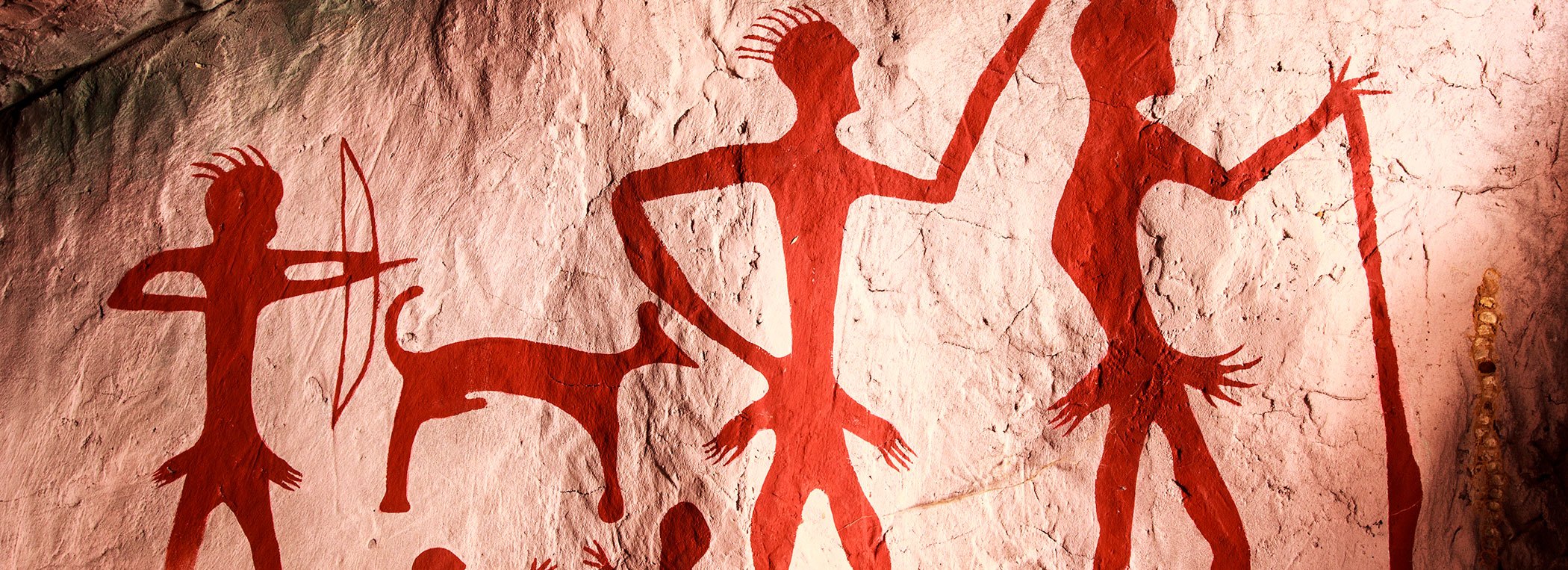

A group of interdependent people united by a common goal or identity constitutes by definition a system, and we are all part of various systems. Systems are generated by the way we relate to each other, observe each other, communicate with each other, or even ignore each other, and they constitute that special way of being and seeing things when we are together.
We are not the same with our children or our parents as we are with our companions at play or our partners at work. Each relational system in which we integrate strengthens or represses different parts of us and, consequently, makes us different. In some we allow ourselves to be more transgressive and in others we demand that we be more rigorous, for example.
As a result, there are teams that inspire us, that make us more creative and more capable, and others that do not. We usually believe that it is the people who are part of these systems who have the capacity or power to influence us. We think, for example, that it is John or Mary who, with their judgments of others or with their excuses when breaking their agreements, provoke our frustration and aggression. But blaming others for what happens to us does not usually contribute to making things easier, but rather to increasing the toxicity and dysfunctionality of the system.
Juan and Maria may be exhibiting behaviors that we find difficult to understand and, without a doubt, they are also responsible for what is happening, but from the point of view of Organizational and Relational Systems Coaching (ORSC), what inspires or discourages us, what attracts or oppresses us, what affects us, is not people and their behaviors, but the relational system, which conditions our interpretation of what is happening and our response pattern.
That is to say, that invisible and intangible but always present entity, that culture that we all maintain, that system, is also our responsibility!
If we asked a fish what water was, it probably wouldn’t know what we were talking about, no matter how wet it was. The same thing happens to us with the relational systems in which we operate, and we are often unable to perceive the colour or information of the water in which we swim and which allows or prevents us from moving in the right direction.
Hence, the solution, when it comes to a team recovering its well-being and generative capacity, lies in first revealing that water, or rather, the information that is in that water, which its members may not know but which is deeply affecting their efficiency and results.
The success of this methodology is therefore based on placing the relationship between people as the functional axis of the culture of that group. To do so, the ORSC model develops a methodological basis, tools and dynamics that allow the coach or facilitator to access that invisible body, the culture of the organizational or relational system and make it explicit, in a way that that the team and the people who are part of it gain confidence and open up to deeper information that allows them to develop their full potential.
Revealing hidden structures, unmet expectations, unrepresented or phantom roles, parallel agendas or toxic communication patterns is the best way to increase efficiency and optimize efforts when developing healthy production spaces and generative relationships.
The founders of this methodology, ORSC TM Systems (Organizational and Relational Systems Coaching) Marita Fridjhon and Faith Fuller will give a talk at Valkiria hubspace in Barcelona on December 5th at 6:30 pm. Registration is required to participate in this talk.
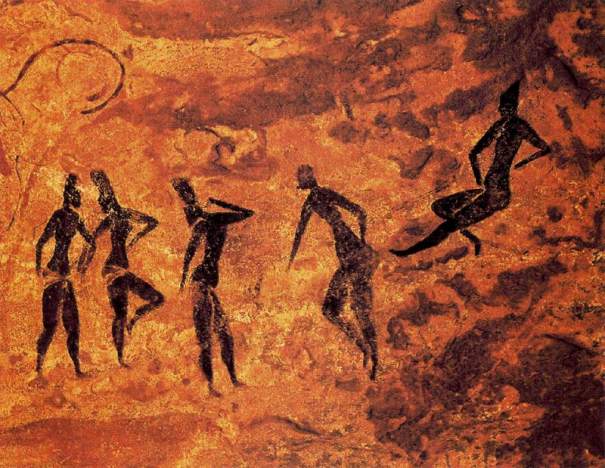

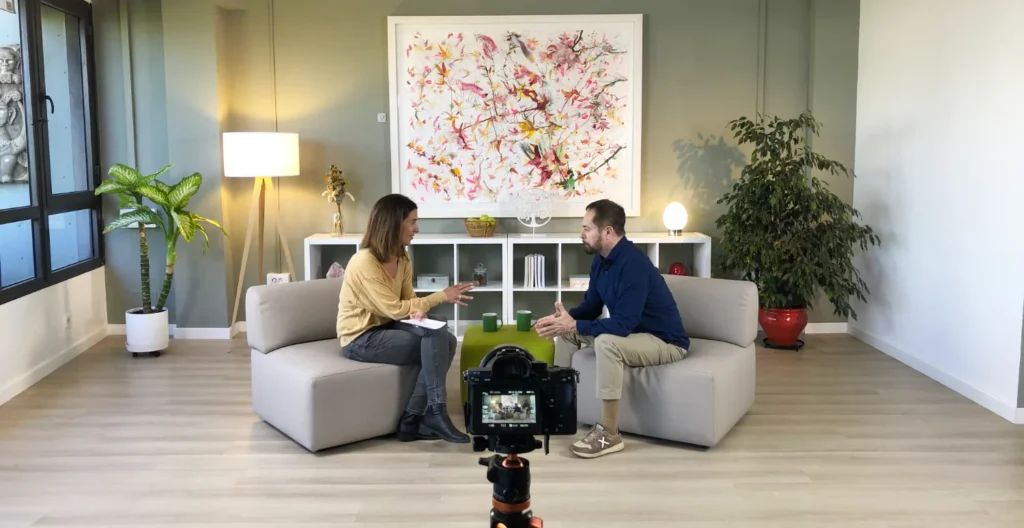
Be part of our community and receive content on coaching, leadership, teams and organizational transformation. We will also share news about Green Light GO trainings, events and resources to accompany your development.
"*" indicates required fields